The Tails of Truth Podcast:
Dignity in Death. What Vet Med Teaches Us About Dying
Every being will die. It’s the most universal experience there is, and still one of the hardest to talk about.
In this episode of Tails of Truth, Dr. Angie Krause and veterinary nurse JoJo open up about dignity in death. Both are walking alongside people at the end of life, and both have been struck by how differently human medicine handles it compared to the work they do with pets every day.
In veterinary medicine, a terminal diagnosis comes with a conversation. What will this look like? What are the options? Will treatment really help, or will it just add suffering? Dr. Angie has that conversation almost every week. She and JoJo explore why it so often goes unspoken for people, and why our culture tends to see death as a failure to delay at all cost.
They also answer questions many pet parents quietly carry. Will my dog or cat pass peacefully in their sleep? What does a natural death really look like? Is it okay to say goodbye before my pet is suffering? What if my beliefs don’t allow euthanasia? How do vets think about chemo when it may only add a few weeks?
Dr. Angie shares how she developed her own relationship with euthanasia after growing up in a family that didn’t believe in it, and how her sense of when it’s time has changed with every year in practice. JoJo reflects on the quality of life tools and in-home euthanasia options that are helping families make these decisions with more clarity and less panic.
The conversation closes on grief. They talk about why the logistics crowd out the moment, why society expects us to be fine so quickly, and why losing a dog or cat can feel especially lonely.
This episode holds tears and laughter side by side, because both are part of loving someone through the end.
Key Takeaways
-
Course: A Holistic Approach to Cancer and Cancer Prevention (Previously Recorded)
Regular price $97.00Regular priceUnit price per -
HempRx Forte - 60ml
Regular price $190.00Regular priceUnit price per -
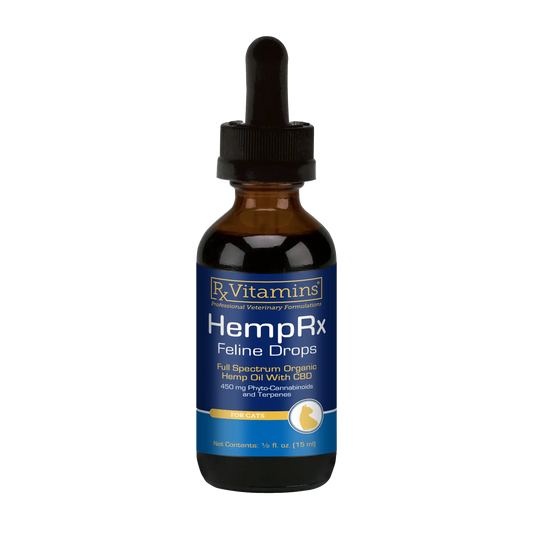
HempRx Feline - 15ml
Regular price $77.00Regular priceUnit price per