Understanding how your cat is feeling, what they enjoy, and if they are healthy can be a lot of work on your part! While you and your cat may have really great communication together, much of what’s happening in your cat’s life and in their health will be up to your interpretation. Recognizing the signs of a healthy cat will be incredibly important as you identify your cat’s needs, as well as for noticing areas of growth or concerns along their wellness journey.
Let’s dive right into the top 5 signs of a healthy cat!
1. Weight
The average cat weighs around 10 pounds, however I have met plenty of cats whose healthy weight is either above or below that average. It is normal to have a variation of sizes among healthy cats. Most healthy cats should have a waistline and a slight abdominal tuck. Your veterinarian can help to determine what your cat’s ideal weight is, and a plan to get them there if you’re slightly off track! You can also gain a lot of insight on your kitty’s weight by studying a feline body condition chart.
So much can be told about your cat’s health with just their weight alone! That's why weight is our first on our list of signs of a healthy cat.
Reasons your cat may be underweight include:
- Inflammatory Bowel Disease
- Kidney Disease
- Parasites
- Thyroid disease
- Diabetes
- Underfeeding
- Lack of appetite
Reasons your cat may be overweight include:
- Overfeeding
- Inflammation
- Lack of exercise (due to age, pain, environment, etc)
- Removing sex hormones (spaying/neutaring)
2. Hair Coat
Your cat’s hair coat can provide excellent insight into their health, making it one of the top signs of a healthy cat!
If your kitty has a healthy hair coat, it is likely shiny, smooth and well kept.
Signs of an unhealthy hair coat include:
- Dander. Dander is the shedding of skin cells, and will present as white flakes throughout your cat’s haircoat. Some level of dander is normal in cats. Sometimes it can be a result of slight changes in the environment or climate. However, an excess of dander is not considered normal and may be an indication of allergies (food or environmental), parasites, autoimmune diseases, or malnutrition.
- Alopecia. Alopecia, or hair loss, is a relatively common but never normal condition in cats. Alopecia may be a result of overgrooming (often a behavioral issue and sign of stress) or it can be a symptom of medical conditions such as allergies, ringworm, external parasites or hyperthyroidism.
- Mats. Cats are fastidious groomers. If your kitty has hair mats, this is a sign they are not grooming either enough or at all. They may not be grooming because they don’t feel well, or it is painful to do so. Either way, the reason behind their lack of grooming should be investigated!
If your cat’s hair coat does not look healthy, your veterinarian may first start with a complete examination and blood tests, which could include ruling out external parasites or allergies, or looking into dietary adjustments that ensure your kitty is getting the best nutritional support possible!
3. Poops
I cannot tell you how many daily poop pictures I have seen in my career, and all are welcome! This is because your cat’s poop tells us so much about their current health (specifically gastrointestinal) status and is one of the top signs of a healthy cat.
A healthy cat poop is not too soft and not too hard, and should be sausage shaped. It should be easy for your kitty to pass, and should be a dark brown color. It should leave little to no remnants on the ground upon pick-up. Did you know that you can actually grade your cat’s poop? Yup! Veterinary medicine has gone there! Here’s a typical fecal scoring chart for reference.
The most common signs of unhealthy poop include:
- Diarrhea. Diarrhea, or loose stool, in cats may indicate food intolerance, parasites, or may be a symptom of common GI diseases like Inflammatory Bowel Disease. It can be caused by many other reasons as well!
- Constipation. Constipation can either mean your kitty is not pooping at all, having a very hard time pooping, or their poops are hard or pellet-like. Like diarrhea, constipation can be caused for a variety of reasons and is never considered normal or healthy.
- Blood. Blood in cat poop can appear bright red or black, depending on its place of origin in your cat’s GI tract. It is never normal and should always be discussed with your kitty’s veterinarian. This is where a picture can be worth a thousand words!
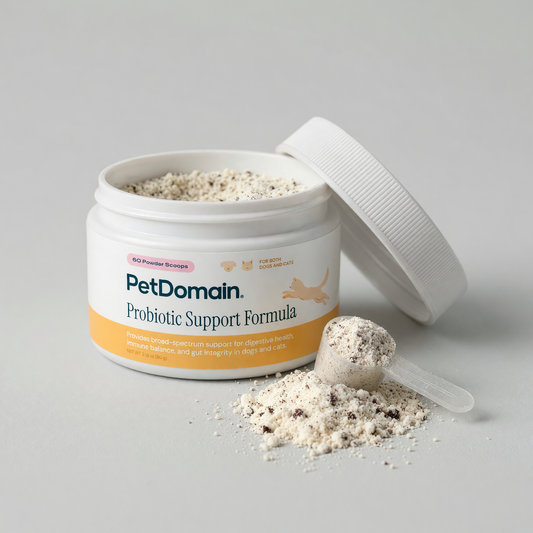
- Smelly. Smelly poops can be a sign that your kitty’s gut health could use a boost! Adding quality probiotics (my favorite for cats are either RxBiotic or Thorne Bacillus Coagulans) and ensuring that you are feeding a quality diet (ideally canned or raw food diet) are the easiest and quickest ways to boost your cat's gut health. If your cat continues to have extra-smelly poops or is particularly gassy, it may be worth a closer look with your vet.
Healthy cats also have healthy litter box habits, and are not pooping and peeing outside of their designated box!
4. Oral Health
Let me start by saying that so much of your kitty’s oral health is genetic, and many cats are genetically predisposed to very significant dental disease. It is important to stay on top of this dental disease to ensure optimal overall health for your kitty.
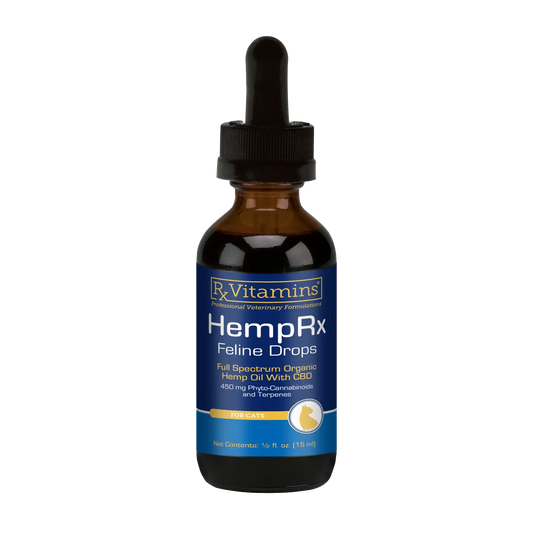
One way to support your cat’s oral health is by limiting inflammation. Ways to do this include keeping your kitty on a quality cat-specific CBD product, feeding the least processed diet (this would mean staying away from kibble when possible), and addressing any body pain that may be experiencing.
5. Body Language
Your cat’s body language can tell you a tremendous amount about both their mental and physical wellbeing, making it last but not least on our list of signs of a healthy cat!
Cat’s who are feeling healthy and happy are usually:
- More social
- Regularly grooming
- Resting in the open/not hiding
- Soft and relaxed in their body language
Soft and relaxed body language may look like:
- Soft and blinky eyes
- Normal body posture (back is not arched or crouched)
- Tail is high and potentially quivering or swaying back and forth
- Purring
- Eliciting physical touch
Cats who are hiding or showing defensive body language may be fearful, stressed, anxious, or painful.
Cats tell us a lot about their physical pain through their facial expressions. Studying The Feline Grimace Scale, a formal assessment of pain based on your kitty’s facial expressions, is homework that I’d recommend to every kitty parent or lover out there!
Understanding the signs of a healthy cat will set you and your kitty up for a successful life together! Knowing these areas to monitor will ultimately allow for your cat to live a happier and more comfortable life, and can allow you to see red flags if and when medical or behavioral concerns arise.
You’ve got this!
Lots of love,
Claire